A dryer that runs but leaves clothes damp doesn’t automatically need a new heating element. The same symptom can point to a clogged airflow path, a setting issue or an internal fault, so guessing at parts can waste time. If laundry is piling up, this guide to dryer repair Ottawa homeowners can use starts with the clues you can safely check.
It’s frustrating when a dryer stops heating, won’t start or takes too long to finish a load, especially when the symptom doesn’t reveal the cause. You can check a few accessible things, such as the cycle setting and lint screen, but electrical testing and repairs should be left to a qualified professional.
Here, you’ll learn what common electric dryer symptoms may indicate, which basic checks are safe, and when to stop troubleshooting. You’ll also find practical factors to consider when deciding whether to repair or replace your dryer, plus what details to have ready when arranging residential electric dryer service in Ottawa. A clear symptom description is a useful first step toward an accurate diagnosis, without assuming which part has failed.
Dryer repair in Ottawa: what common symptoms can tell you
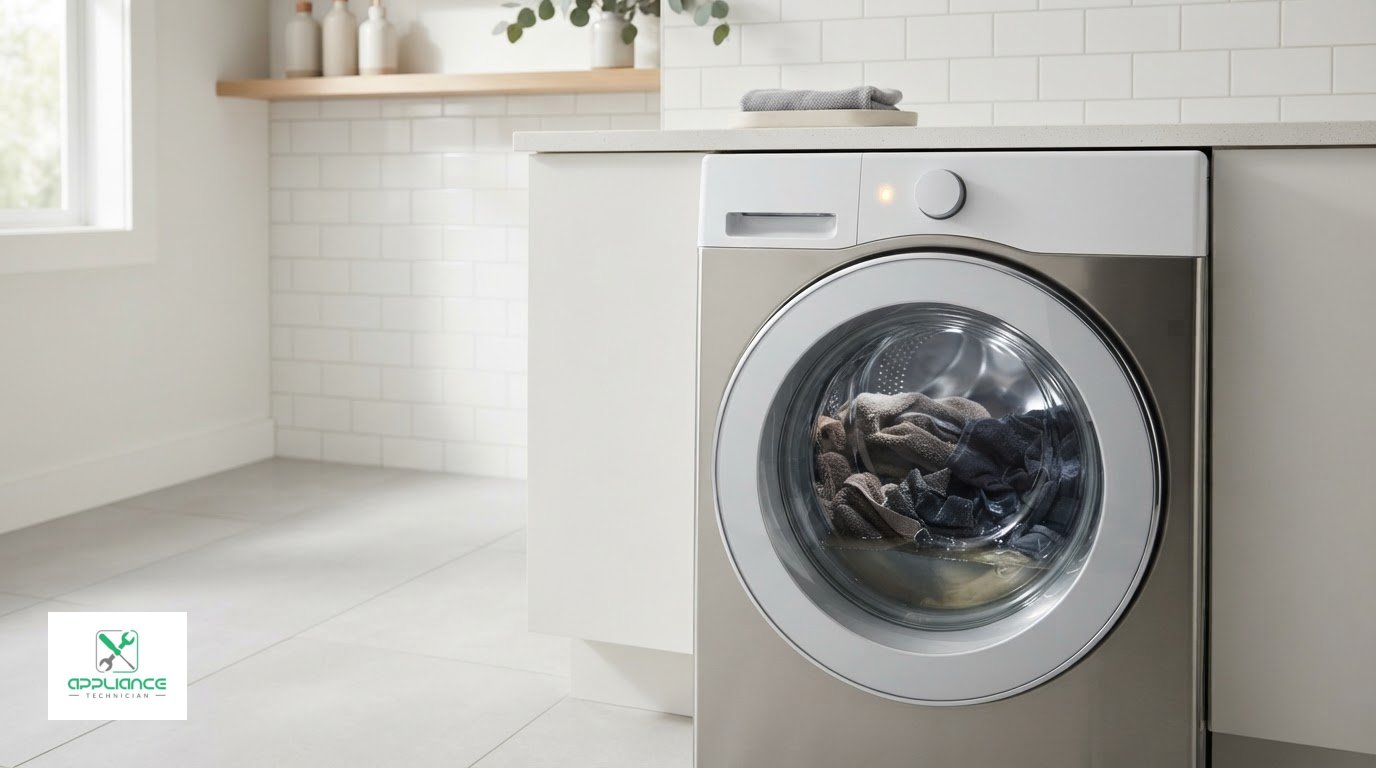
Dryer symptoms can point toward possible causes, but only an assessment can confirm the fault. No heat, unusually long drying, failure to start and unexpected stopping each narrow the possibilities in different ways. For example, a dryer that runs without warming is a different symptom from one that won’t begin a cycle, but neither identifies a failed part on its own.
A symptom is what you observe; a diagnosis is the confirmed explanation for it. A clear description helps guide dryer repair Ottawa homeowners may need, but it shouldn’t be treated as proof that a particular part needs replacement. Note when the problem happens, whether it occurs every cycle, and any change in sound or smell.
- No heat: The drum may turn while clothes remain cool and damp.
- Slow drying: A cycle finishes, but clothes need more time than usual.
- Won’t start: The controls respond, or the dryer appears completely unresponsive.
- Stops unexpectedly: A cycle ends early or the dryer pauses before clothes are dry.
Noise, odour or visible damage can change what to do next. A new rattle or scraping sound deserves attention, while smoke, a burning smell or visible damage calls for a more immediate response: stop the dryer and don’t use it again until it has been assessed. The Clothes dryer overview describes the basic tumbling and heated-air process, which helps explain why both airflow and appliance operation can affect drying results.
When the dryer runs but clothes stay damp
No heat and slow drying are complaints, not confirmed component failures. Restricted airflow or an appliance fault may be involved, but the symptom alone can’t tell you which. Check whether the load is unusually large and whether the selected cycle suits the fabrics: a full drum can take longer, and some settings use less heat or a shorter drying time. Compare with a typical load before drawing conclusions.
When the dryer will not start, stops, or makes unusual noise
First note simple observations: is the dryer receiving power, are the display or indicators lit, and does the door appear to close properly? These clues help describe the problem; they don’t confirm the cause. A click, hum, thump or scrape may signal an issue that needs diagnosis. If you see damage, notice smoke or smell burning, stop the cycle, discontinue use and arrange an assessment.
Keep the details specific: what the dryer was doing, how far the cycle got, whether clothes were warm, and when any sound or odour began. Those observations are more useful than guessing at a part. If the symptom repeats after an ordinary cycle and load check, leave internal inspection and electrical testing to a qualified repair professional.
Safe electric dryer checks before arranging a repair
Keep troubleshooting to accessible controls and areas you can inspect without removing a panel. Stop the cycle first and let the dryer cool. If you notice smoke, a burning smell, visible damage or repeated tripping, stop troubleshooting and leave the appliance off. Internal electrical diagnosis belongs to a qualified repair professional.
If there are no warning signs, use this conservative sequence:
- Stop the cycle and let the dryer cool: Wait until the appliance and clothes have cooled before checking anything.
- Review the cycle and settings: Make sure the selected cycle and heat level suit the load. A low-heat setting, for example, may take longer to dry some items.
- Inspect the accessible lint screen: Remove visible lint as directed by the appliance instructions, then return the screen to its proper position.
- Observe the controls and surroundings: Note whether the display responds, the door appears to close normally, or there is an obvious interruption to household power. Look around the dryer for visible damage or an obstruction without reaching inside.
These checks can identify a simple setting or lint-screen issue, but they don’t establish what’s wrong inside the appliance. Follow the instructions for your model, and don’t try a check if it requires tools, reaching into the dryer or moving internal parts. If you’re unsure, stop there.
Checks that do not require opening the dryer
Keep the inspection external. Confirm the cycle is appropriate for the load, clean the accessible lint screen as directed, and observe whether the display or controls respond. You can also note an obvious household power interruption, such as other nearby lights or appliances losing power. Don’t remove an outlet cover, handle wiring or reposition the dryer to inspect behind it.
When to stop troubleshooting
Stop using the dryer if you see smoke or damage, smell burning, or notice repeated tripping. Don’t repeatedly reset a breaker to keep the appliance running. Never remove panels, touch wiring or heating elements, or reach near moving internal parts. If simple external checks don’t resolve the problem, or the symptom returns, leave further testing and repair to a qualified professional.
Make a brief note of which accessible checks you completed and whether anything changed. That record can help explain what you observed during a later diagnosis, without requiring you to investigate internal parts. Keep the appliance off if a warning sign appeared, and don’t restart it just to see whether the symptom happens again.
Repair or replace an electric dryer? Compare the practical factors
Don’t decide based on one symptom or the dryer’s age alone. Consider its overall condition, how long you expect to keep using it, whether this is a new or recurring problem, and what the diagnosis says the repair involves. A repair recommendation gives you a clearer basis for comparing options; a symptom description alone can’t confirm whether repair or replacement makes more sense.
Use this comparison to organize the decision after the dryer has been assessed:
What you learn
How it may inform the decision
One isolated symptom, with otherwise normal operation
A confirmed, limited repair may be worth considering, depending on the dryer’s condition and your plans.
Unclear cause or several possible faults
Further assessment can clarify what work is needed before you commit to either option.
Repeated problems or broader wear
Compare the recommended work with your preference for continued use or replacing the appliance.
Ask what the diagnosis establishes, what repair work is recommended, and whether other observed issues affect the assessment. The goal isn’t a promise about how long the dryer will last. It’s a decision based on the appliance in front of you and the use you expect from it.
Signs that can support considering a repair
A problem that has appeared on its own, while the rest of the dryer seems to operate normally, may be a reason to consider repair. That doesn’t mean the work will be simple or limited. The dryer’s general condition matters: note whether it has been making new noises, stopping unexpectedly, or showing other changes. A confirmed diagnosis helps explain the repair scope and gives you concrete information to weigh.
When replacement may deserve consideration
Repeated failures, several emerging problems or signs of broader wear may make replacement worth considering alongside repair. Your plans matter too: keeping the appliance for years is a different goal from needing a short-term solution. Compare the repair recommendation with your replacement preferences and the condition of the dryer, rather than relying on a fixed age or cost rule. Online symptoms can guide an assessment, but they can’t confirm the final decision.
Before deciding, get a diagnosis for the dryer repair Ottawa homeowners are weighing. Share whether the problem is new or recurring, what other changes you’ve noticed, and how you expect to use the appliance. That context helps keep the discussion focused on the actual fault and your priorities, rather than guesses based on a single symptom.
Prepare for dryer service in Ottawa with useful details
A precise description helps make a dryer service request easier to understand. Record the appliance’s identifying details and describe what happened without guessing at the cause. If the dryer is in a managed or rented home, include the unit information and any access arrangements that apply. These details provide useful context for the service request, though they can’t confirm the fault remotely.
What to record before submitting a request
Find the brand and model information on an identification label you can reach without removing a panel. If you can’t find it easily, consult the appliance instructions rather than moving or dismantling the dryer. Describe the symptom, the cycle and settings selected, and any display message exactly as it appears. A factual account is more useful than a guessed diagnosis.
- Appliance details: Brand, model number and serial number, if readily available.
- Symptom: What the dryer did or did not do, such as stopping before the cycle ended.
- Timing: When the problem occurs and whether it happens with each use or only under certain conditions.
- Checks completed: Note any simple, accessible checks already made and whether the symptom returned.
- Other observations: Record any displayed message or change in operation that may help describe the issue.
Keep the wording straightforward. “The dryer stopped partway through the cycle” reports an observation; “the motor failed” assumes a cause that hasn’t been diagnosed. If a message appears on the display, copying its exact wording or taking a clear photo can prevent confusion.
How to make the appointment request useful
Service requests can be sent through online booking or email. For a managed residential unit, include the property address, unit number and relevant access arrangements. If a property manager, landlord or other person coordinates entry, identify the appropriate contact and explain any access requirements. This helps clarify who will be involved in arranging the visit.
Include the dryer’s brand and model, the symptom and when it occurs, along with the safe checks you’ve already completed. These details help describe the issue but don’t establish the final diagnosis or repair. A clear, factual request gives the service team practical context to work from and helps avoid relying on assumptions about the appliance.
Arrange electric dryer repair with a local Ottawa service
After noting the symptoms and completing only safe, accessible checks, arrange a diagnosis if the problem remains. Appliance Technician provides residential electric clothes dryer repair in Ottawa. The assessment identifies the issue and helps determine what repair, if any, is appropriate. A description of the symptom is a useful starting point, not a substitute for examining the appliance.
What local dryer repair can help address
Service covers diagnosis and repair of residential electric clothes dryers with problems such as failing to start, stopping during use, unusual noise or poor drying. These symptoms can have different causes, so the recommended work depends on the appliance assessment and diagnosed issue. The repair plan should be based on those findings, not a guess based on the symptom alone.
What to expect after submitting a request
Once a request is submitted, appointments are scheduled in morning or afternoon windows. A 30-minute pre-arrival call may be available on request, but it isn’t automatic. Online booking can be submitted at any time; that availability doesn’t mean technicians are available around the clock. An appointment window also isn’t a guaranteed arrival time, and the repair outcome depends on the diagnosis.
For the assessment, have the dryer’s model information available if you can access it safely, and be ready to describe what you observed. If the appliance is in a managed home, make sure the relevant access arrangements are in place. These practical preparations help the visit focus on diagnosing the electric dryer’s reported problem.
Take the next step with confidence
A clear repair plan starts with an accurate diagnosis, giving you a sound basis for deciding what to do next. If your electric dryer still isn’t working after safe checks, you don’t need to identify the failed part yourself. Share what you observed and let the assessment clarify the repair options.
Appliance Technician is an Ottawa-area residential appliance repair business established locally in 2017. Electric dryer repairs include a 90-day labour warranty; parts may carry a manufacturer warranty, which varies by brand.
When you’re ready to arrange service, submit your request online. Booking is available at any time, though this doesn’t mean technicians are available around the clock. Start your dryer repair Ottawa request online, and take the next step towards getting your laundry routine back on track.
Frequently Asked Questions
Does Appliance Technician repair gas dryers?
No. Appliance Technician provides residential electric clothes dryer repair, not gas appliance repair. If your dryer uses gas, this service isn’t the right fit. For an electric model, send its brand, model information and a clear description of what it does through online booking or email. Include whether the issue happens with every cycle or only with a particular setting. These details help explain the problem, but diagnosis is needed to identify the fault.
Are all dryer brands and models supported?
Appliance Technician works with documented brands including Whirlpool, Maytag, GE, LG, Samsung, Frigidaire, Bosch, KitchenAid, Electrolux, Kenmore and Jenn-Air. However, brand coverage doesn’t mean every model or fault has the same repair options. Include the model information with your request so the appliance can be identified accurately. For example, two dryers from the same brand may differ by model, and the diagnosed issue also affects what repair is appropriate.
Does dryer repair include a warranty?
Labour is covered by a 90-day warranty. Replaced parts may have a manufacturer warranty of up to one year, depending on the brand and part. These cover different things: the parts warranty doesn’t extend labour coverage to one year. Before proceeding with a repair, ask for the applicable coverage details for the specific work and replacement part. Keep that information with your service records in case you need to refer to it later.
Can I get a free in-home estimate for dryer repair?
No, free in-home estimates aren’t provided. An estimate may be available by email if you share enough information to describe the dryer and its symptoms, but remote details can’t confirm the final diagnosis. Include the brand, model information, what the dryer is doing, and any displayed error message. For example, report the exact message rather than guessing what it means. An in-person assessment may identify details that aren’t clear from the request.
Does 24/7 online booking mean a technician is available at any time?
No. Online booking lets you submit a service request at any hour; it doesn’t mean a technician is available around the clock. Appointments are scheduled in morning or afternoon windows, and same-day or next-day service isn’t guaranteed. A 30-minute pre-arrival call may be available if you request one. If you have a narrow access window, note that in your request so it can be considered during appointment coordination.
What should a property manager include when requesting dryer repair?
Include the property address, unit details, access information, dryer brand and model, and a concise description of the issue. Note when it occurs and any safe checks already completed. Appliance Technician serves residential customers in Ottawa and documented areas including Kanata, Nepean, Orleans, Gloucester, Barrhaven, Stittsville, Cumberland, Vanier, Gatineau, Aylmer, Hull and Chelsea. These details help explain the request and coordinate access, but don’t confirm the fault or appointment time.